JK–6 · 2027-2028 School Year
Thoughtful, joyful learning built around strong foundations, outdoor exploration, and student ownership.
Our Approach
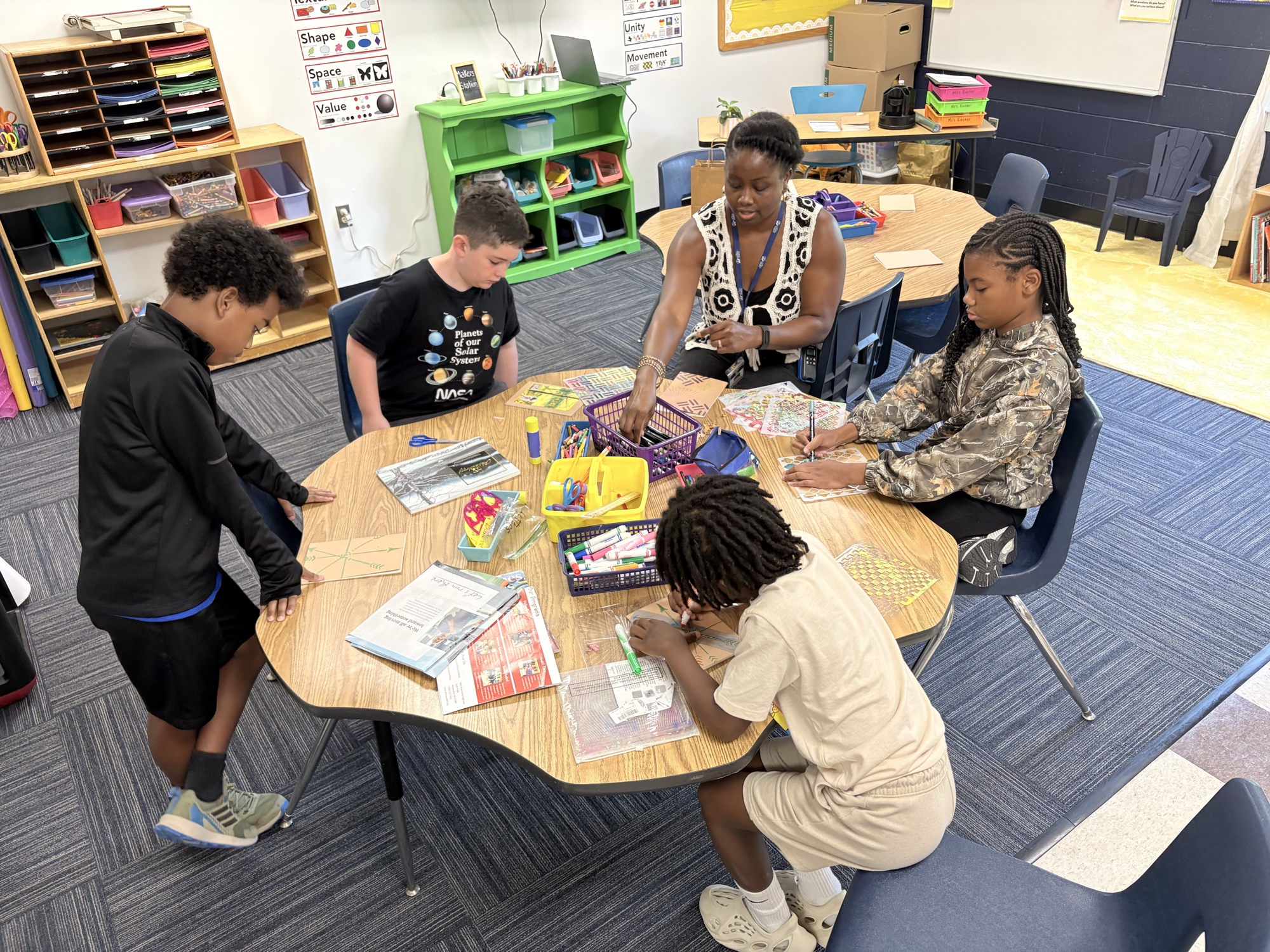
The Laurel School is a small school built around strong academics, outdoor learning, close relationships, meaningful work, and student ownership. Our goal is to help children become confident readers, clear writers, mathematical thinkers, and careful observers.
Students learn through direct instruction, structured practice, small groups, outdoor exploration, field experiences, daily recess, hands-on work, and meaningful routines that build independence.
See It in Action
Our Classroom Model
At The Laurel School, students learn in two Young Explorers communities. Younger learners in kindergarten through second grade grow together in one mixed-age setting, while students in third through fifth grade form their own collaborative community. Over time, as our school expands, each grade will develop its own dedicated classroom. And for the children who flourish in the mixed-age rhythm of K–2 Young Explorers, that path will always be here.
Core Curriculum
Every subject at The Laurel School is taught with intention, sequence, and purpose. Students build knowledge over time through carefully designed instruction, meaningful practice, conversation, exploration, and application — each lesson connected to the next.
From Junior Kindergarten through 6th Grade, children develop strong foundations in literacy, mathematics, science, social studies, writing, and spelling. Reading instruction builds from phonemic awareness and decoding into fluency, comprehension, vocabulary, literature, and informational text. Mathematics develops from number sense and operations into problem-solving, measurement, geometry, fractions, decimals, and mathematical reasoning. Science and social studies help children observe the world, ask better questions, understand communities, study nature, explore history, and connect learning to real life.
Across all grades, the goal is durable learning — children who understand what they are learning, can explain their thinking, apply skills with confidence, and grow into capable, curious, well-grounded learners.
Our Approach to Teaching
We teach through the Laurel Framework: instruction is sequential, structured, and delivered in small classes so teachers meet each child where they are. It is not Montessori, Reggio Emilia, or Waldorf — it is Laurel.
Like our independent-school peers, we do not participate in nationally normed or achievement benchmark testing.
Read Our Philosophy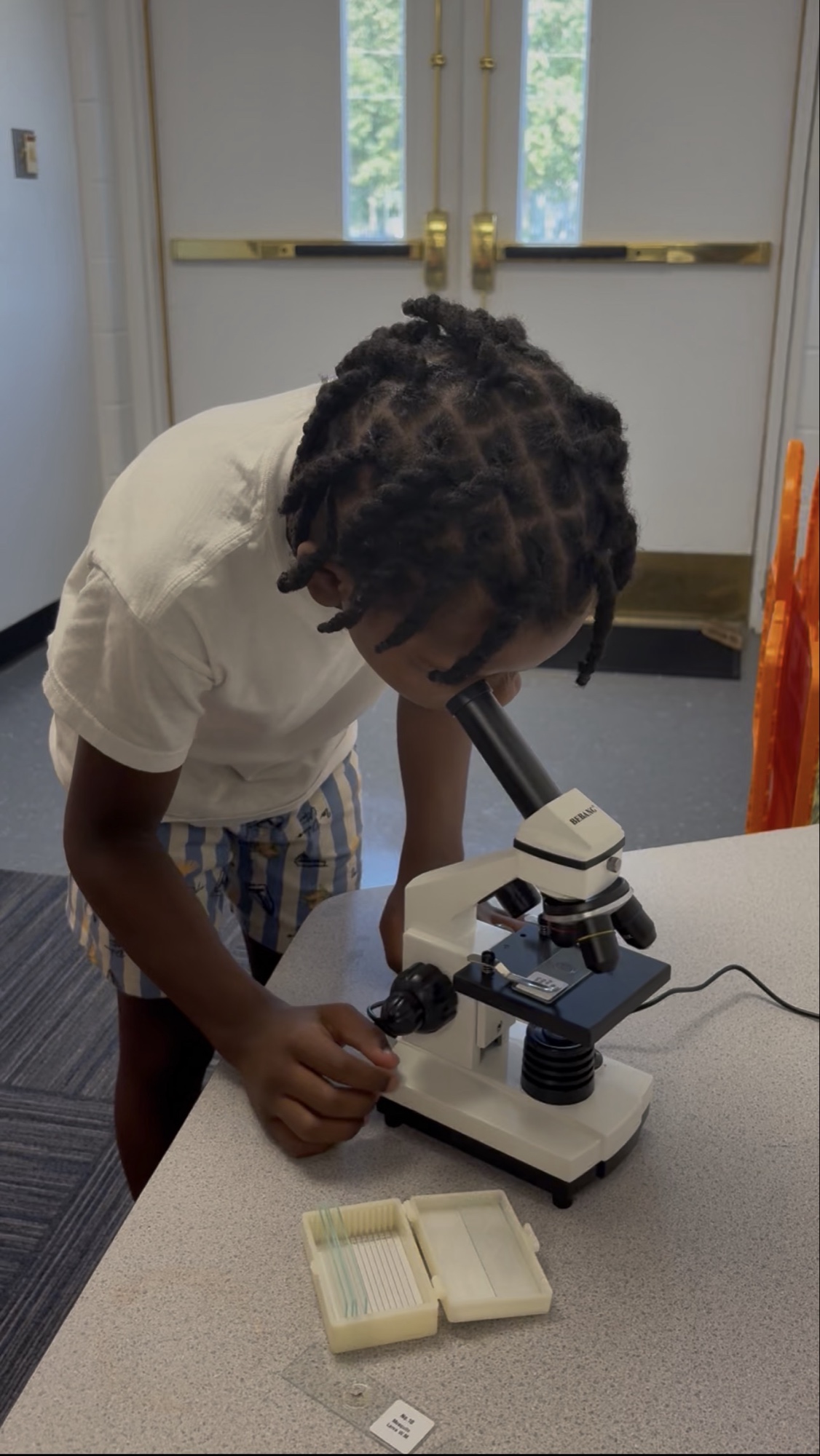
| Grade | Reading Overview |
|---|---|
| K | Concepts of print, alphabet knowledge, phonemic awareness, beginning decoding, listening comprehension, and love of books. |
| 1 | Decoding, fluency, high-frequency words, oral reading, retelling, sequencing, vocabulary, fiction, and nonfiction. |
| 2 | Fluent reading, chapter books, informational text, vocabulary, character, main idea, and written reading responses. |
| 3 | Reading to learn, fiction, nonfiction, poetry, biographies, folktales, main idea, inference, and discussion. |
| 4 | Longer texts, summary, theme, character analysis, source comparison, nonfiction comprehension, and evidence. |
| 5 | Novels, historical fiction, primary-source excerpts, science texts, essays, poetry, and independent reading projects. |
Every Day, Rain or Shine
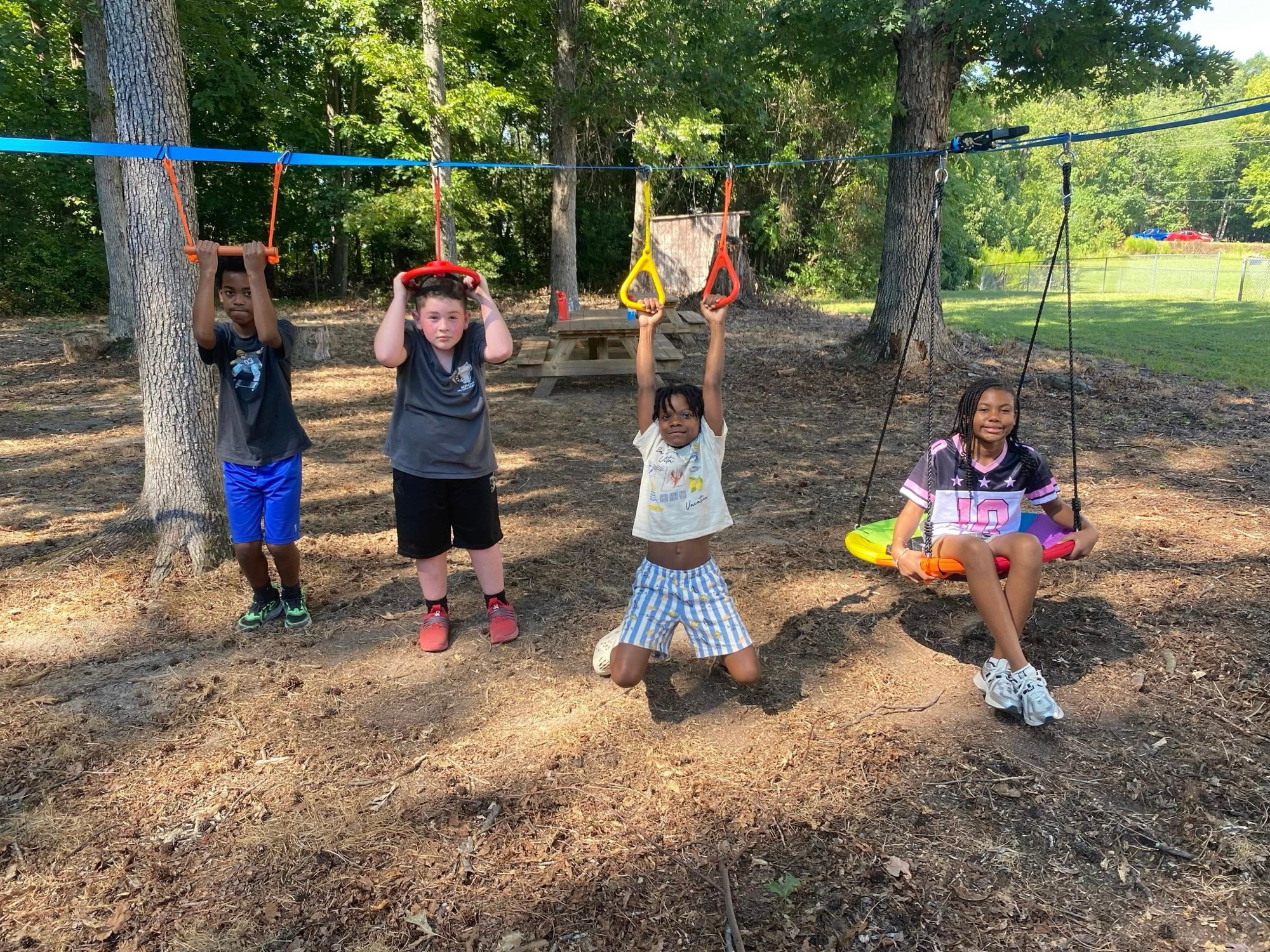
At The Laurel School, the outdoors is a full part of the learning environment. Students go outside daily for recess, movement, nature observation, field journals, science, reading, writing, sketching, measurement, and community-building.
Children learn to notice details, ask better questions, record what they observe, and connect classroom ideas to the real world. A walk outside may become a science investigation, a writing prompt, a math measurement task, a sketching exercise, or a moment for quiet reflection.
Outdoor play happens every day, including in rain and cold, unless weather creates a safety concern. We believe children need fresh air, movement, resilience, and regular contact with the natural world. These experiences support healthy bodies, focused minds, stronger relationships, and a deeper sense of wonder.
Enrichment
At The Laurel School, Encore is an essential part of the student experience. Music and Art are organized by class so instruction remains developmentally appropriate, engaging, and connected to the way children grow. These experiences are central to how students grow — as thinkers, creators, and people who carry creativity with them.
In Music, children explore rhythm, movement, voice, listening, instruments, pattern, performance, and collaboration. Music strengthens attention, sequencing, confidence, and group participation while giving students another way to express ideas and emotion.
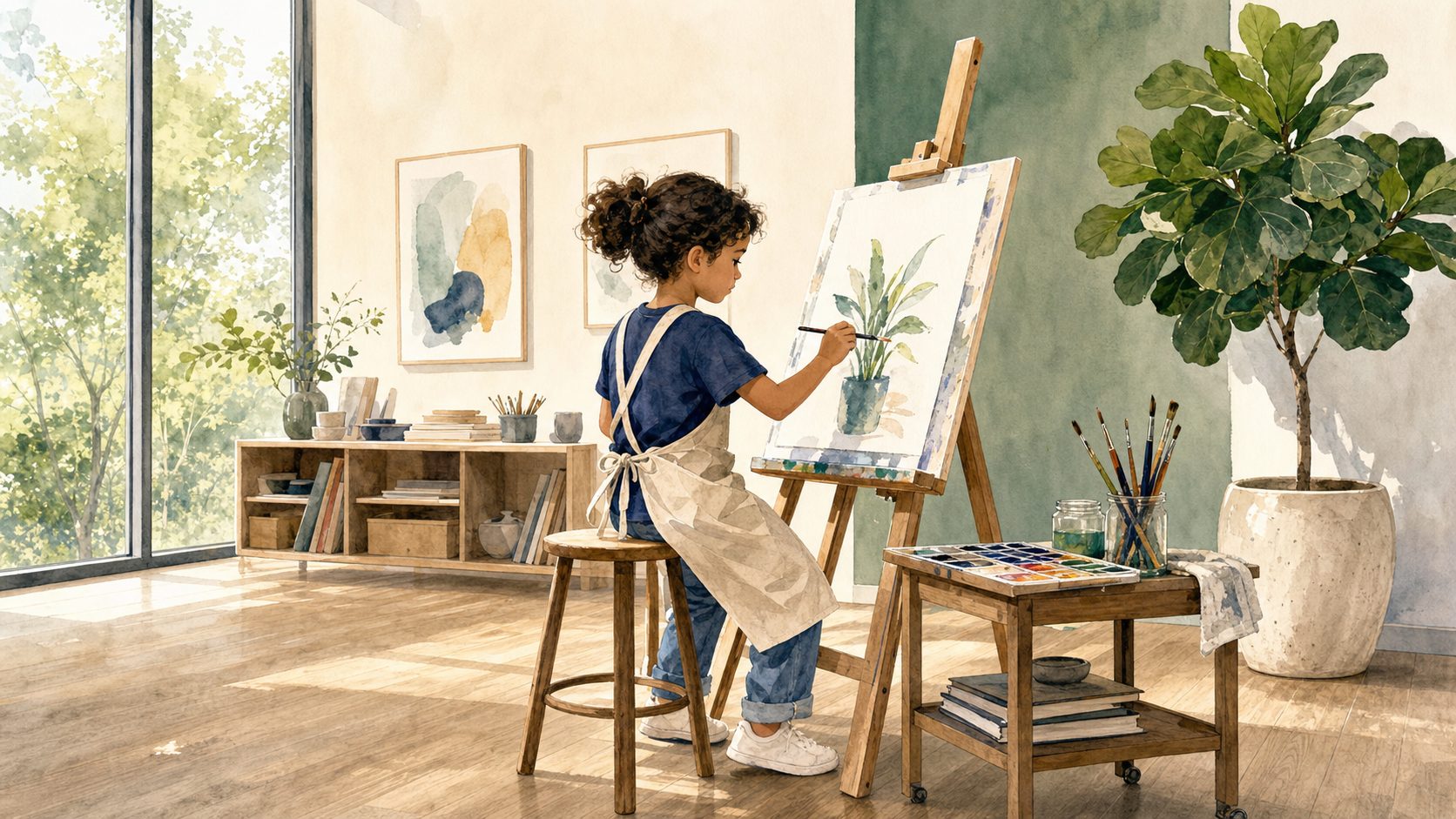
In Art, students work with line, color, texture, shape, form, design, and visual storytelling. They learn to observe carefully, make choices, use materials with care, revise their work, and take pride in the creative process.
Together, Music and Art help children become more expressive, more observant, and more confident. They give students opportunities to create, perform, experiment, listen, speak, move, and make meaning in ways that support the whole child.
| Class | Music Overview |
|---|---|
| K–2 | Rhythm, singing, movement, listening, instruments, patterns, call-and-response, seasonal songs, and sound as a form of expression and community. |
| 3–5 | Melody, performance, listening, musical traditions, composition basics, instruments, and the relationship between music, culture, history, and personal expression. |
Assessment Philosophy
At The Laurel School, student learning is described through detailed narrative progress reports. We believe students are learning how to learn: developing skills, habits, confidence, independence, stamina, curiosity, and ownership. A single letter or number grade often does not accurately tell that story.
The Laurel School is structured, intentional, and academically serious. We simply believe that young children deserve feedback that accurately reflects growth.
Like our independent-school peers, we do not administer nationally normed or achievement benchmark testing.
Teachers describe what the student is learning, where they're growing, what skills are emerging, and what next steps are needed.
Reading growth, phonics skills, writing samples, math reasoning, science observations, field journals, projects, and classroom participation.
Families see actual evidence through writing, notebooks, drawings, journals, math work, presentations, and portfolios.
Teachers communicate with families about progress, work habits, strengths, areas for growth, and next instructional steps.
Learning Is an Experience
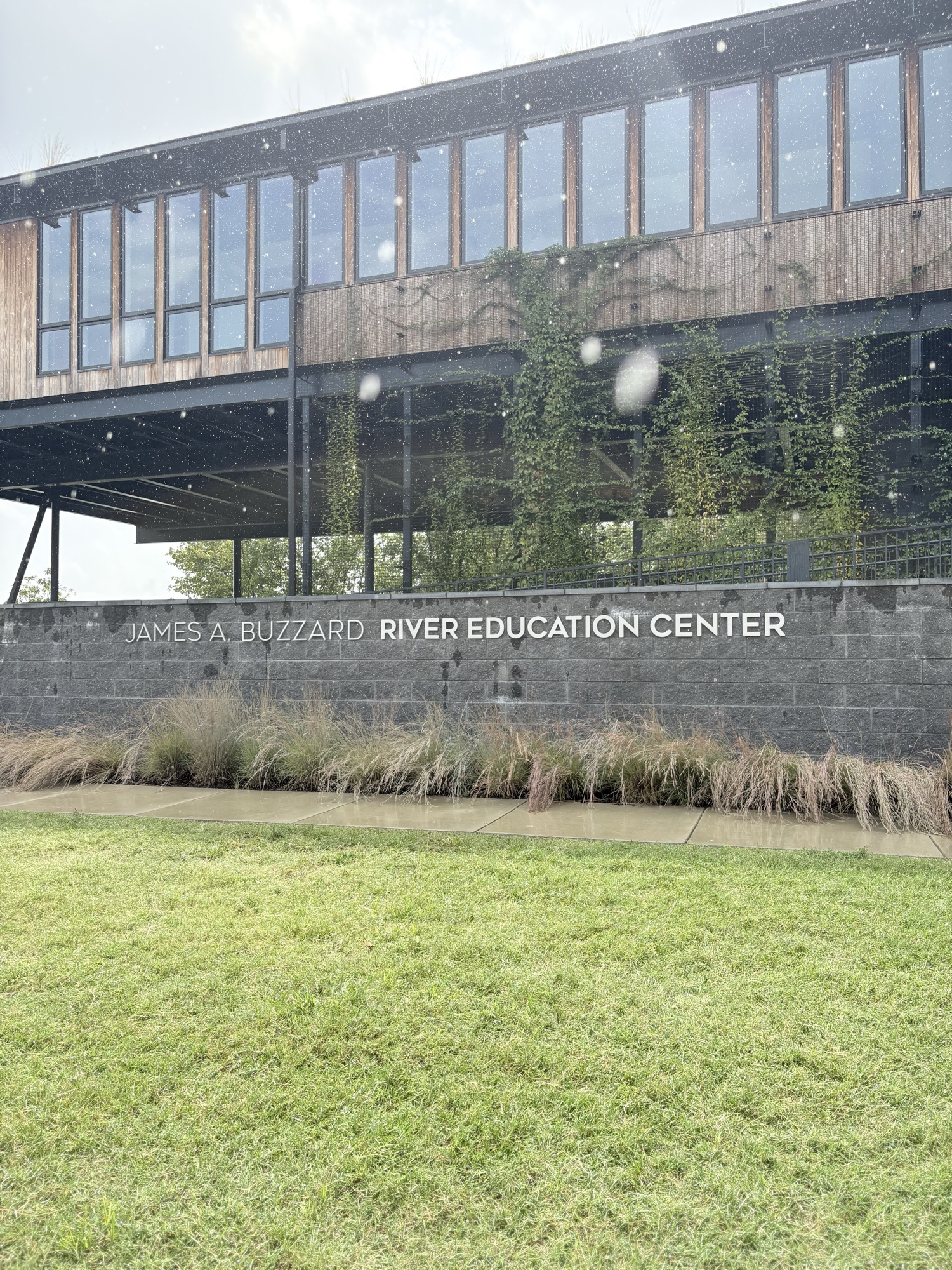
At The Laurel School, the classroom extends far beyond our walls. We believe children learn history by standing in it, science by touching it, and culture by experiencing it. Every year, our students travel, explore, and build memories that become the foundation of real understanding.
Ready to Learn More?
To learn more and to get connected with our school, complete the inquiry form and we will be in touch.
Accessibility